 English
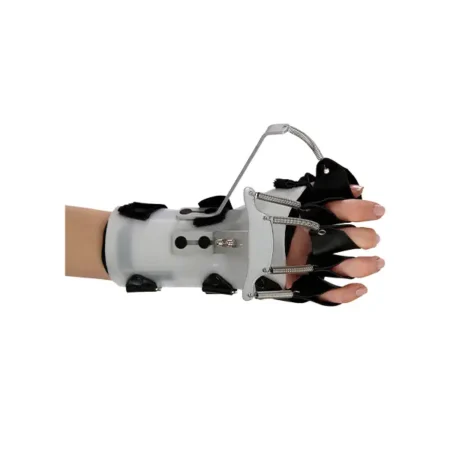
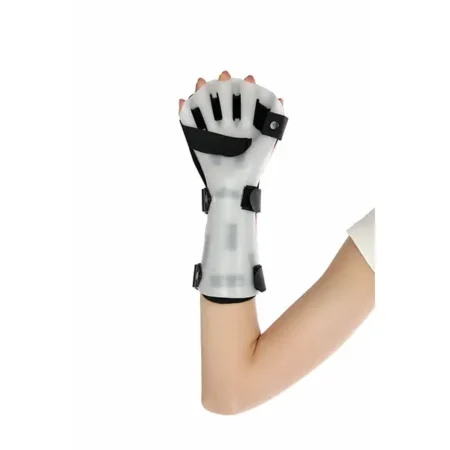
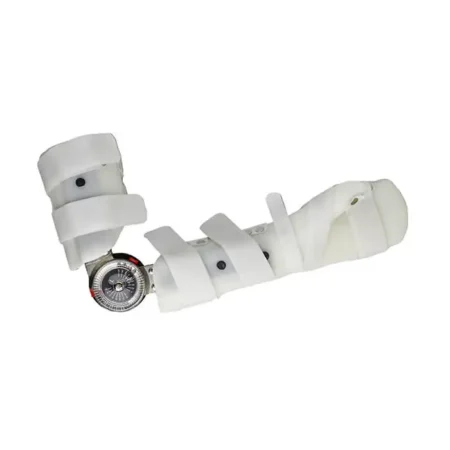
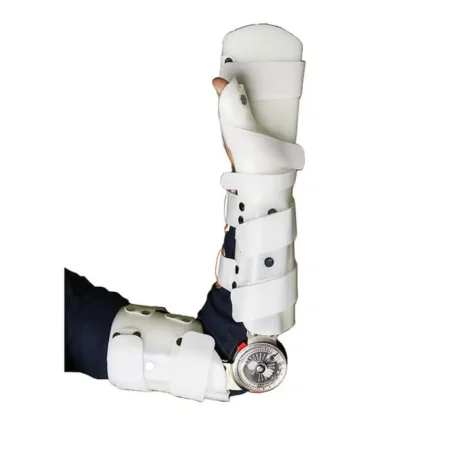
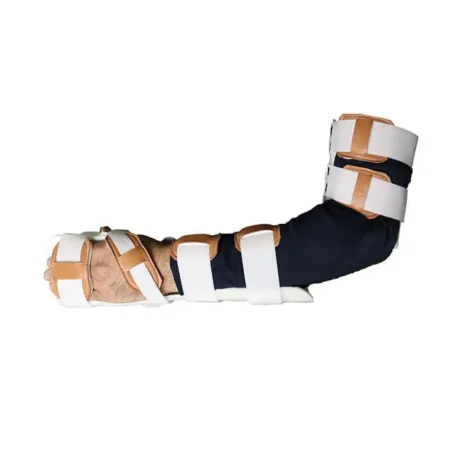
A static splint designed to maintain the hand, wrist, and fingers in a neutral therapeutic position. It is used to manage muscle spasticity and prevent contractures in neurological conditions.
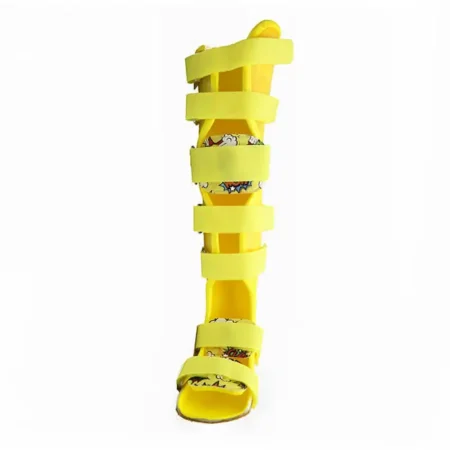
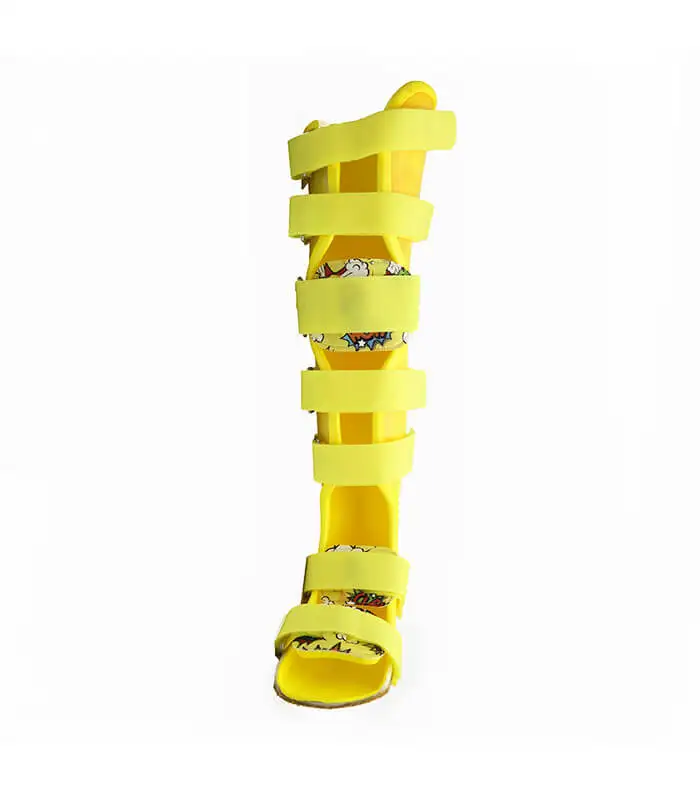
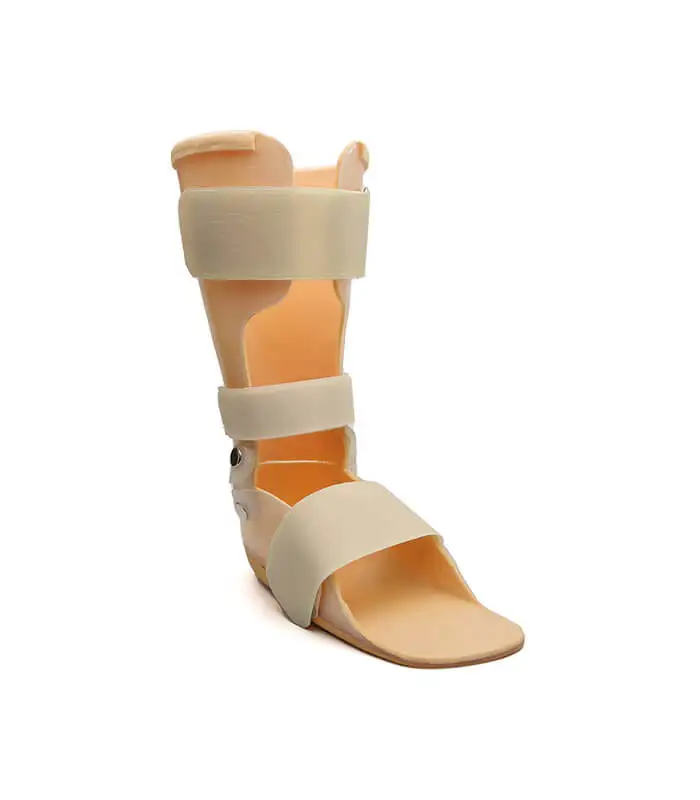
KAFO provides complete support from the foot to the knee. It’s designed for individuals with lower limb weakness or paralysis to improve standing balance and walking ability.
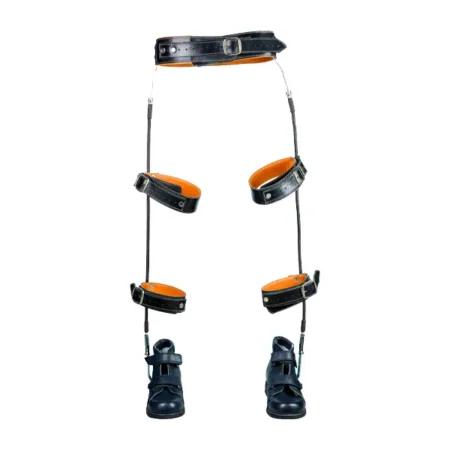
- A specialized orthosis designed to manage femoral rotational deformities, such as in-toeing or out-toeing. It consists of a pelvic belt connected to an ankle attachment via a flexible torsion cable, which applies a gentle, corrective force to control rotation of the femur during movement. This system helps guide the entire limb into a more neutral alignment throughout the gait cycle.
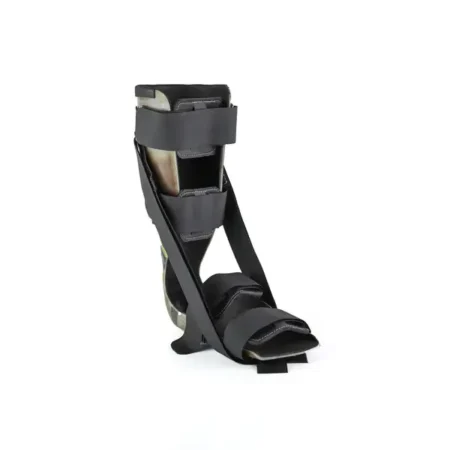
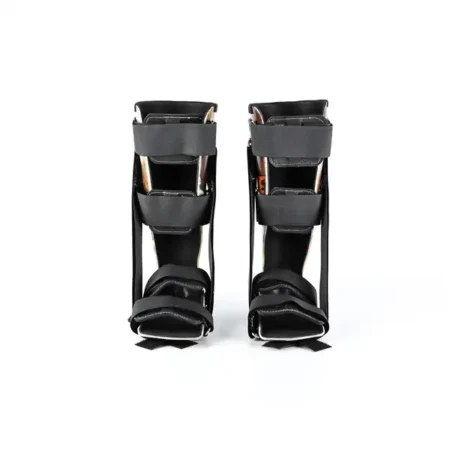
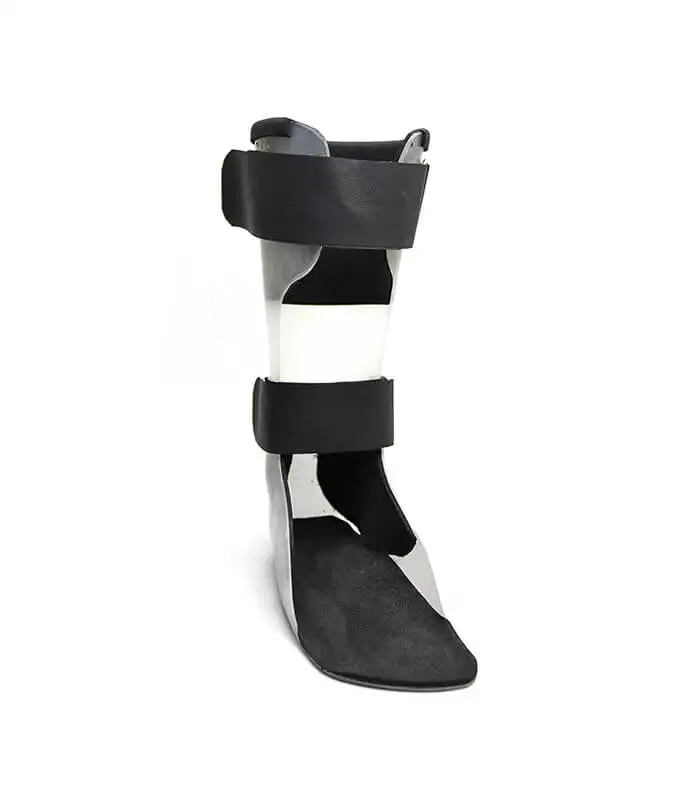
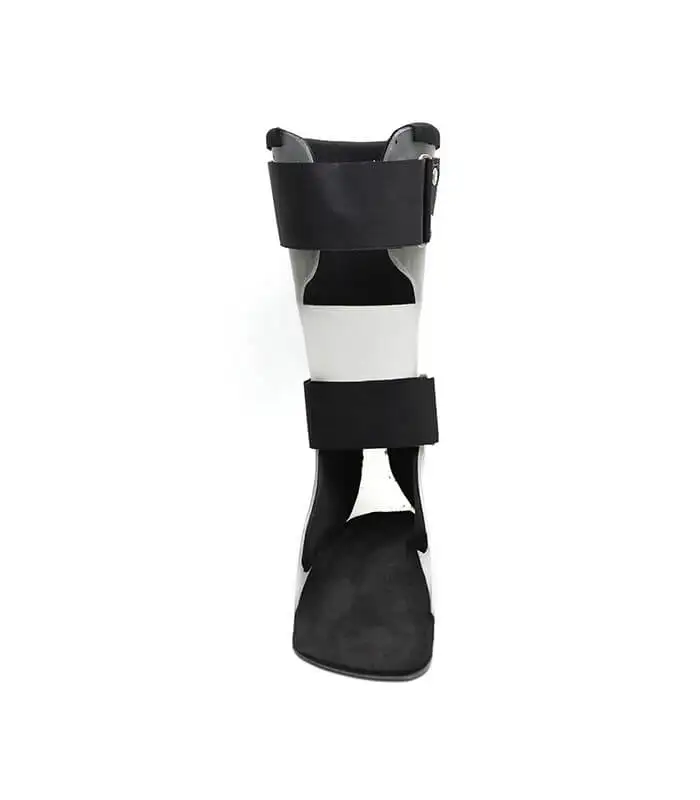
Adjustable Straps: Designed with Velcro fasteners for precise fitting, allowing flexibility to accommodate leg swelling or size variation
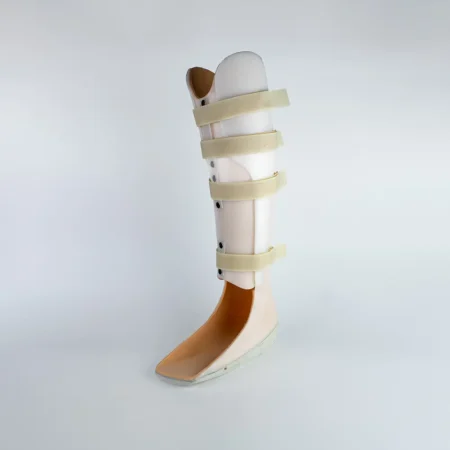
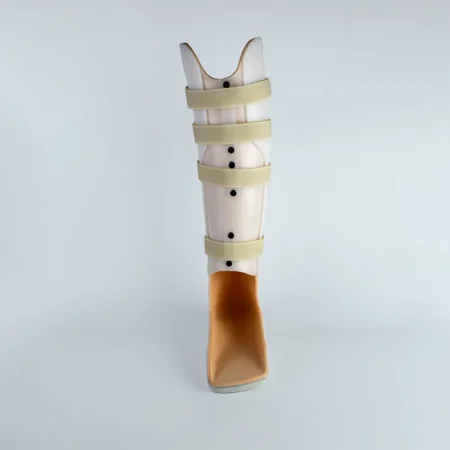
PTB orthosis redirects body weight from the foot and ankle to the patellar tendon area, reducing stress on lower limb joints and aiding rehabilitation.
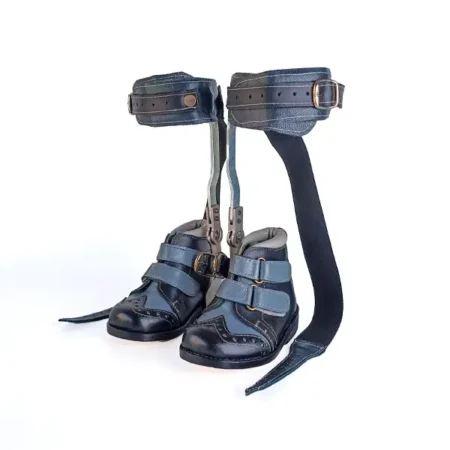
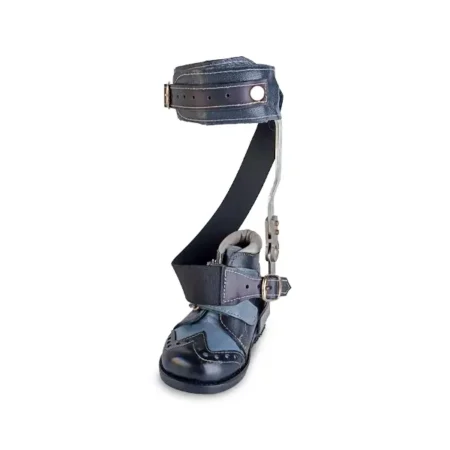
A corrective orthosis designed to manage and correct bow-leg deformities (Genu Varum) and Tibia Vara, primarily in children. The splint holds both legs straight and parallel, applying a gentle, prolonged corrective force to guide proper limb alignment, typically during periods of rest or sleep.
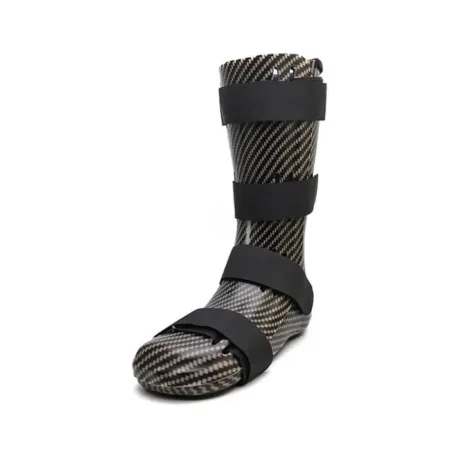

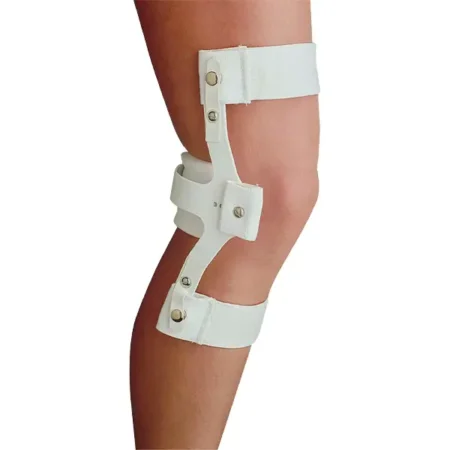
- A rigid knee orthosis designed to control mild knee hyperextension (genu recurvatum). It operates on a three-point pressure system, utilizing two anterior straps and a single posterior band to effectively limit excessive backward movement of the knee joint.
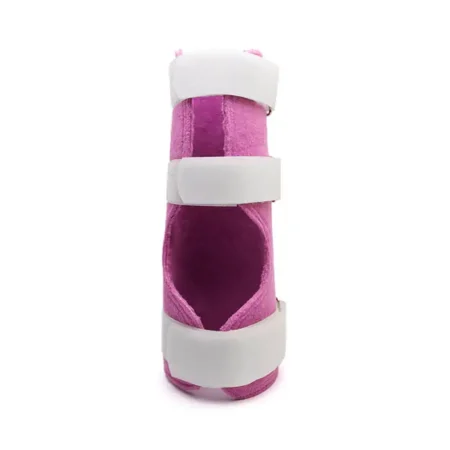
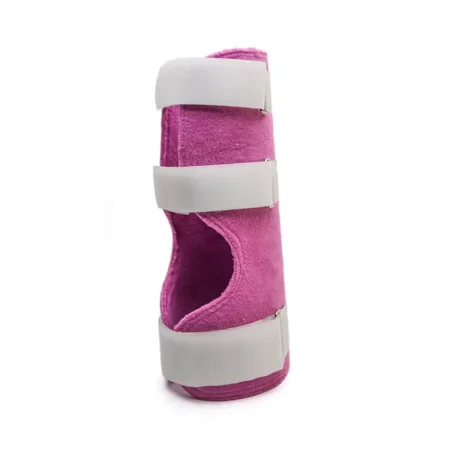
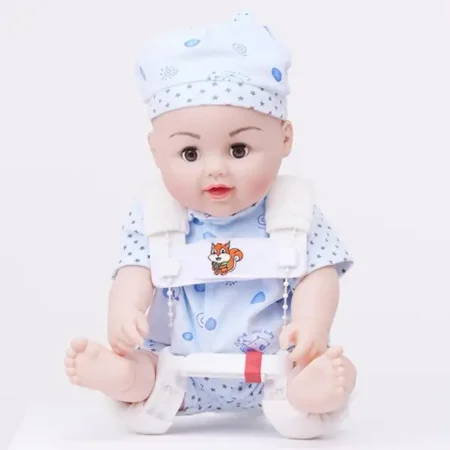
A dynamic orthosis designed for the treatment of developmental hip dysplasia in infants. It promotes healthy hip joint maturation by holding the hips in the optimal therapeutic position of flexion and abduction, often referred to as the “seated squat” or “frog-leg” position. This mimics the natural pre-birth position, creating the ideal conditions for the hip socket (acetabulum) to develop correctly around the head of the femur.
Reviews
There are no reviews yet.