 English
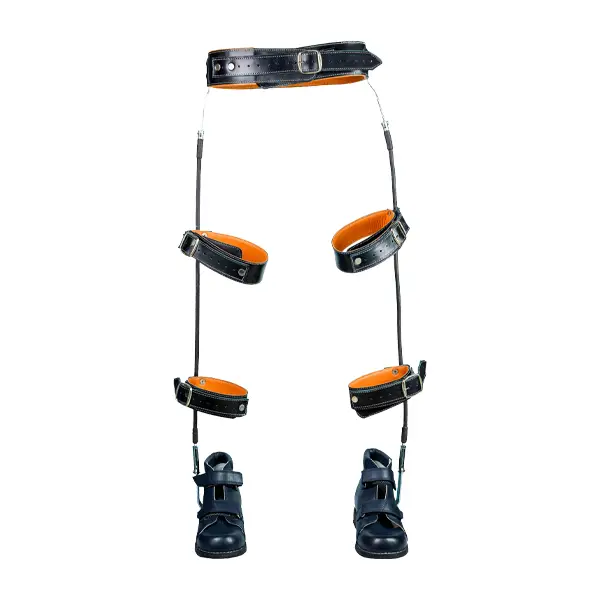
- Femoral Correction: The torsion cable provides a constant, adjustable force to specifically address internal or external rotation of the femur.
- Dynamic Function: Works during active movement, guiding the leg into a proper position without restricting flexion or extension at the hip or knee.
- Adjustable Components: Features an adjustable pelvic belt and ankle attachments to accommodate patient growth and ensure a secure, comfortable fit.
TWISTER
- A specialized orthosis designed to manage femoral rotational deformities, such as in-toeing or out-toeing. It consists of a pelvic belt connected to an ankle attachment via a flexible torsion cable, which applies a gentle, corrective force to control rotation of the femur during movement. This system helps guide the entire limb into a more neutral alignment throughout the gait cycle.
... people are viewing this right now
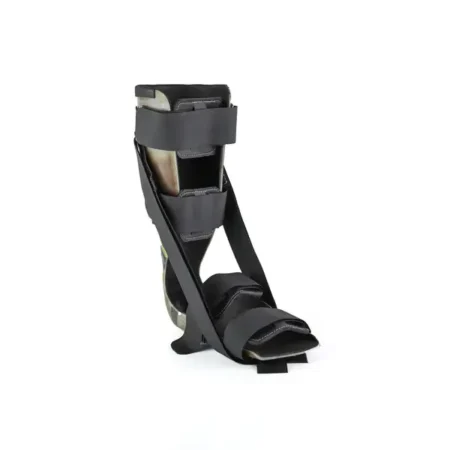
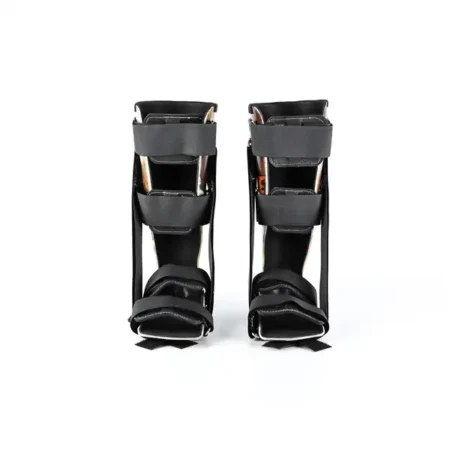
Adjustable Straps: Designed with Velcro fasteners for precise fitting, allowing flexibility to accommodate leg swelling or size variation
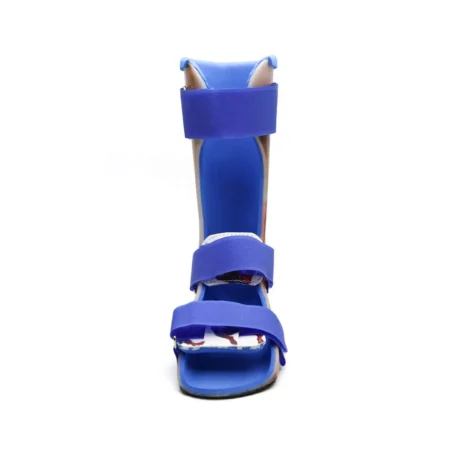
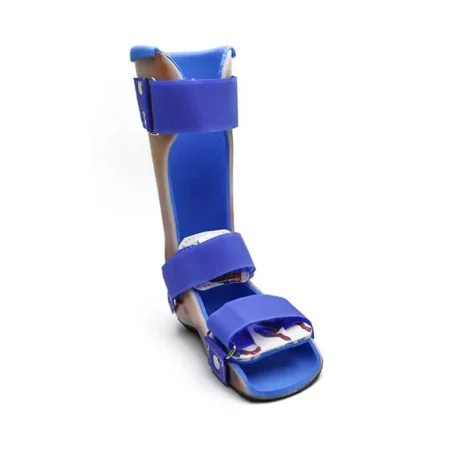
Ideal for lower limb weakness or paralysis. Stabilizes the knee, supports the ankle, and improves balance.
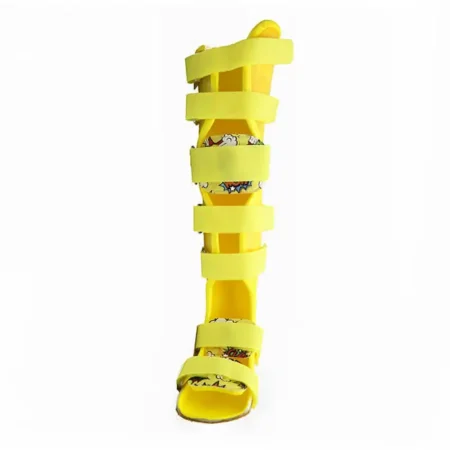
KAFO provides complete support from the foot to the knee. It’s designed for individuals with lower limb weakness or paralysis to improve standing balance and walking ability.
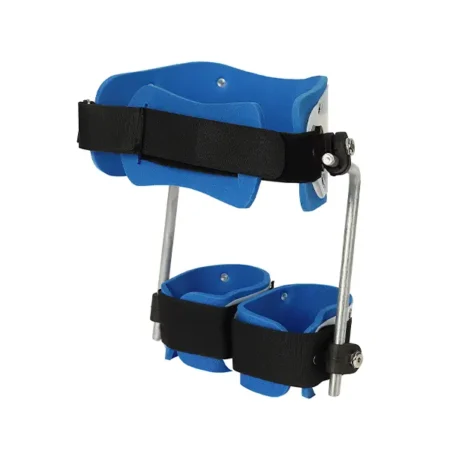
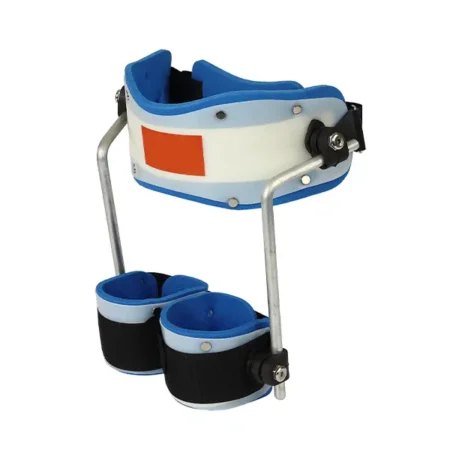
- A dynamic hip orthosis designed to manage “scissor gait” by guiding the legs into proper abduction. It improves pelvic stability and posture, providing crucial support during sitting, standing, and walking. Its low-profile design makes it especially suitable for patients with limited space between the iliac crest and the rib cage.
-
Strong and durable ankle-foot support
-
Adjustable and long-lasting design
-
Suitable for foot drop and weakness
-
Preferred by patients needing external support

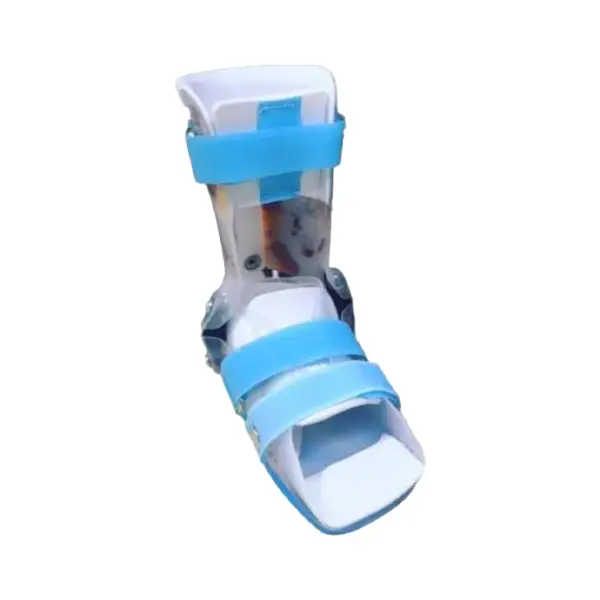
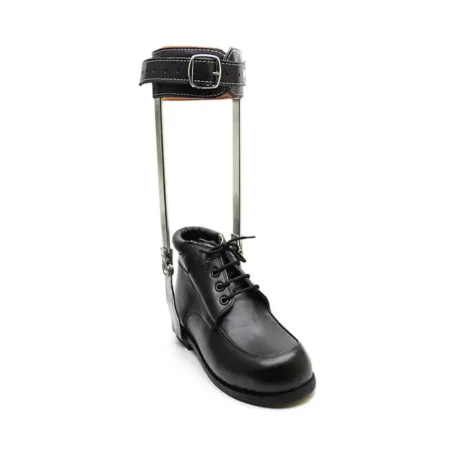
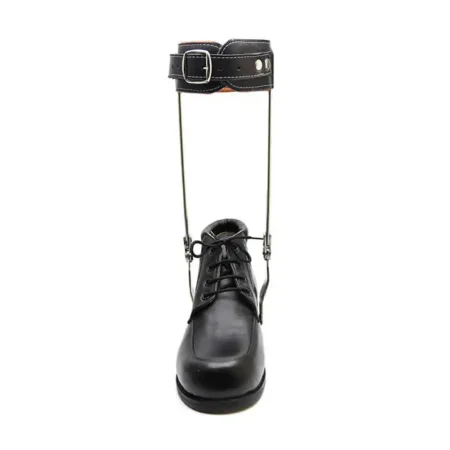
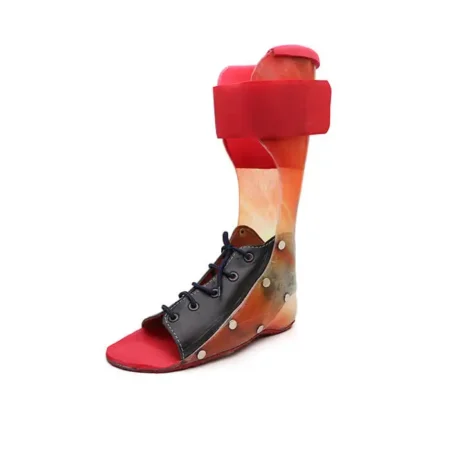
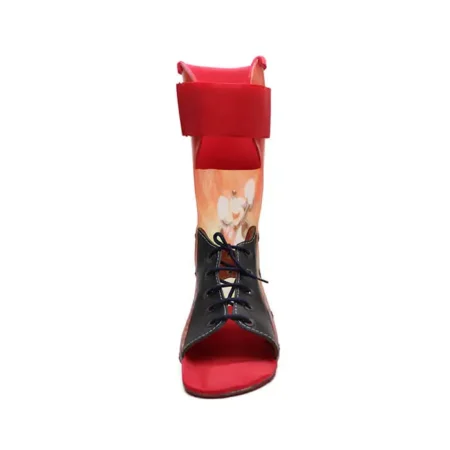
- An articulating ankle-foot orthosis (AFO) featuring a mechanical ankle joint to allow for controlled movement. It is designed to assist with dorsiflexion weakness (drop foot) and control mid-foot position, while also managing knee hyperextension caused by excessive plantarflexion.
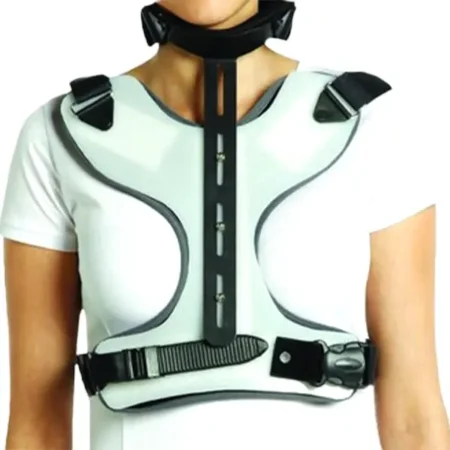
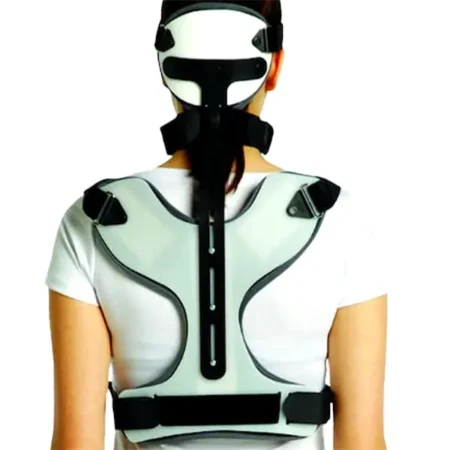
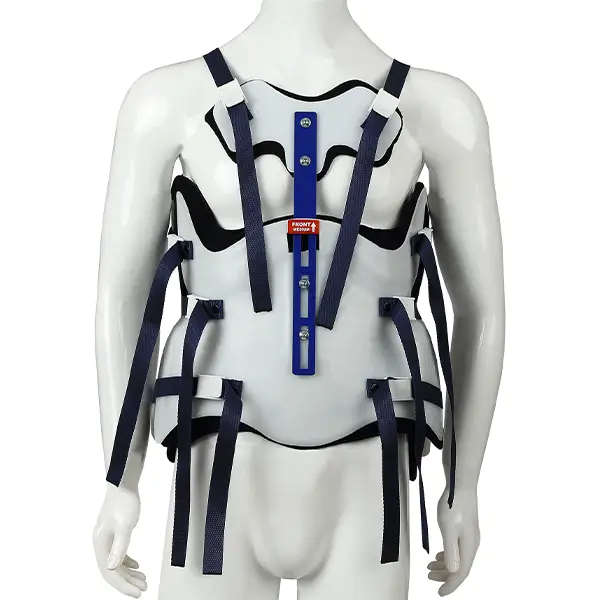
- A non-invasive spinal orthosis designed to provide rigid immobilization to the cervical and upper thoracic spine (CTO). The Minerva CTO stabilizes the head and neck, restricting motion to protect against further injury and promote healing after severe trauma or surgery.
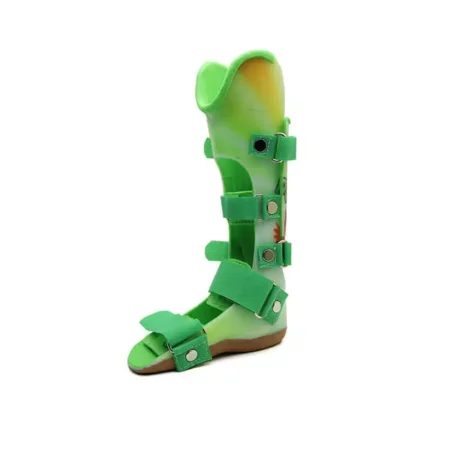
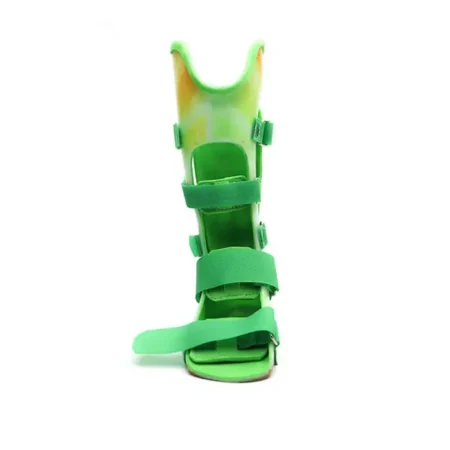
GRAFO is designed to improve knee and leg stability by using ground reaction forces during walking. It is ideal for individuals with weak knee extension or difficulty maintaining upright posture.
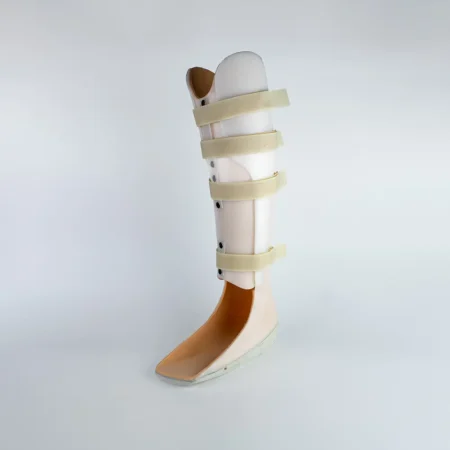
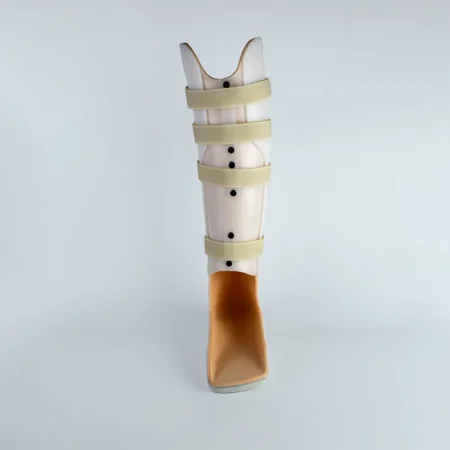
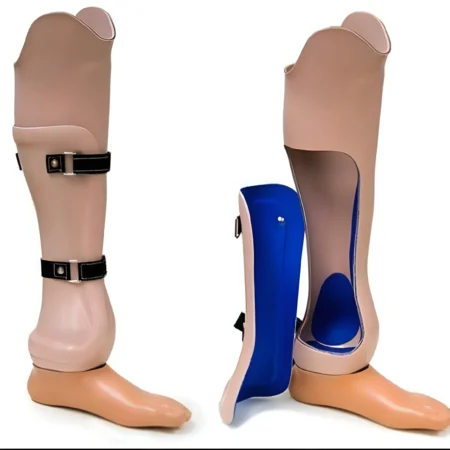
PTB orthosis redirects body weight from the foot and ankle to the patellar tendon area, reducing stress on lower limb joints and aiding rehabilitation.
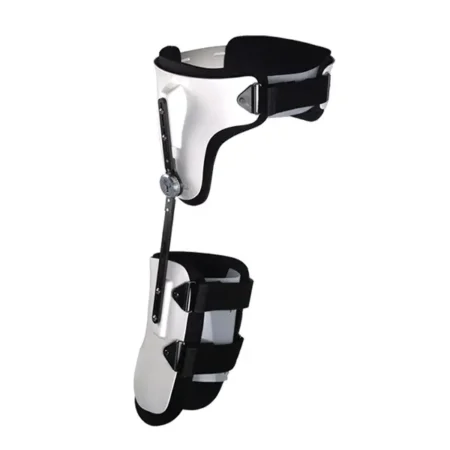
- A dynamic hip brace designed to provide stabilization and a controlled range of motion for the hip joint. It is used to manage post-operative healing, chronic instability, and prevent recurrent dislocations by maintaining the hip in a correct anatomical position.
Reviews
There are no reviews yet.