 English

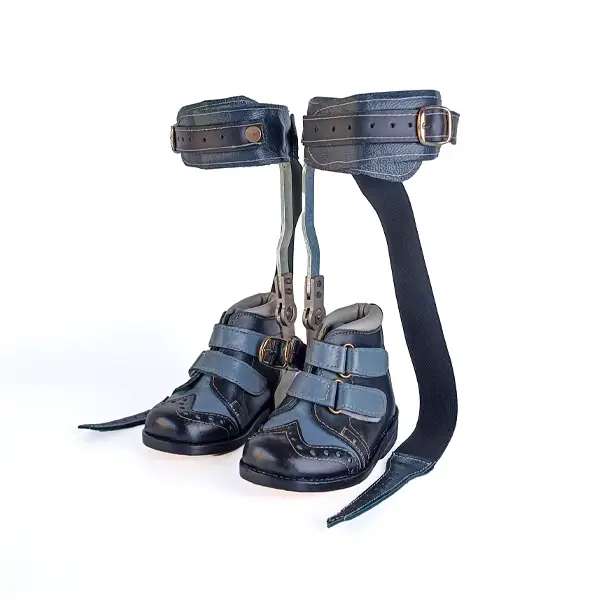
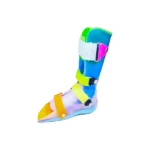
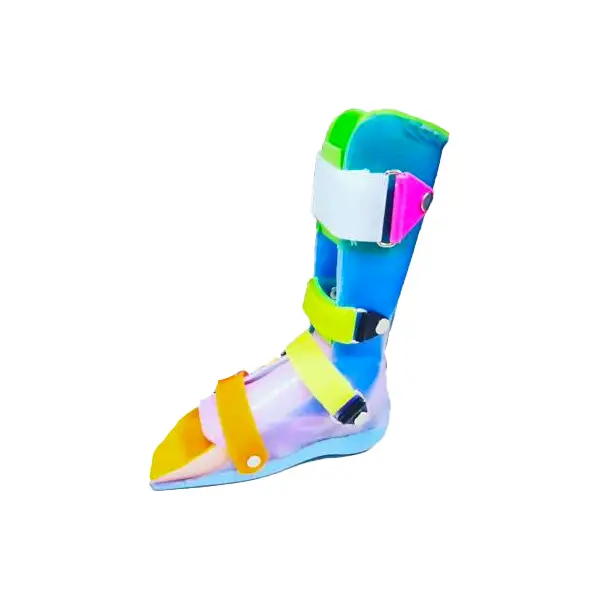
- Static Ankle Positioning
- Prevents Contractures
- For Non-Ambulatory Use
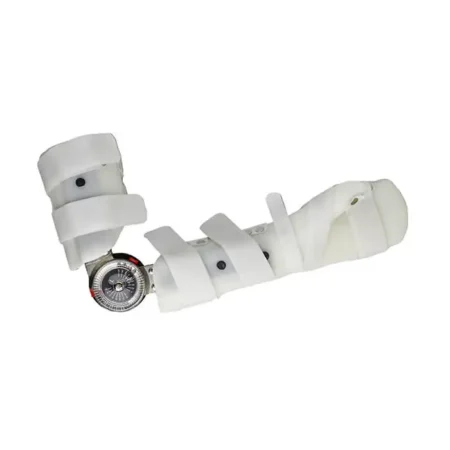
Sagittal Control AFO (Positioning Splint)
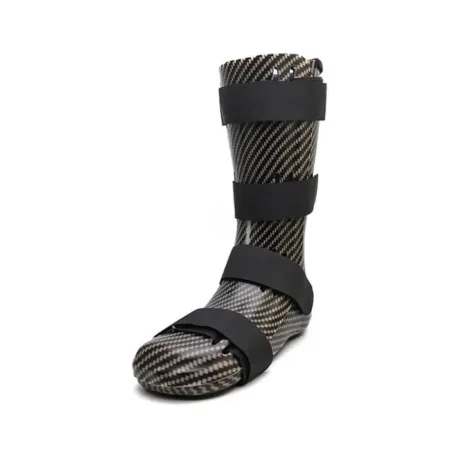
A rigid, non-articulating Ankle-Foot Orthosis (AFO) designed for static positioning of the foot and ankle complex. It provides maximum sagittal control to hold the ankle at a desired angle, making it ideal for non-ambulatory patients or for post-operative protection. This orthosis is not intended for walking.
... people are viewing this right now
-
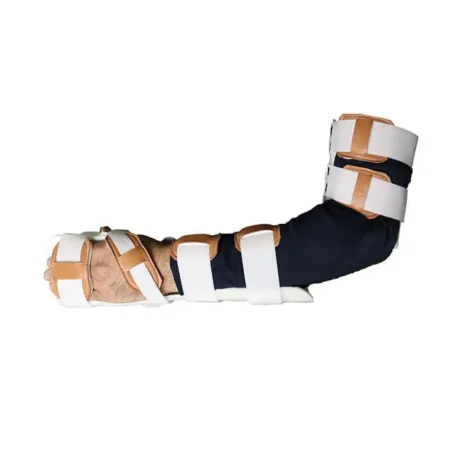
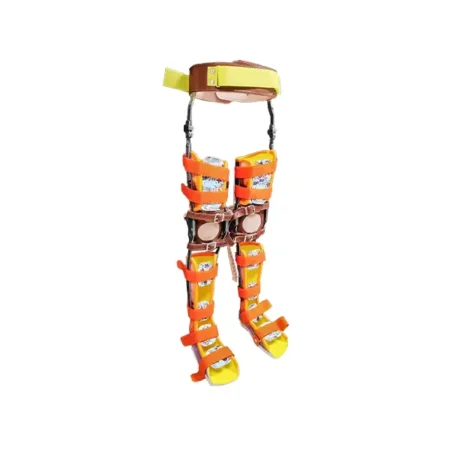
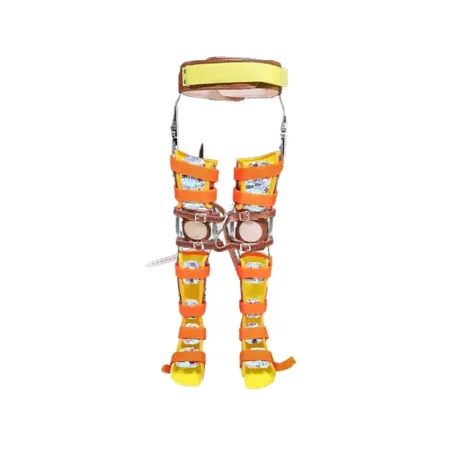
Custom Fit & Adjustable Design: Features adjustable components and secure strapping systems to ensure optimal fit, comfort, and alignment across the hip, knee, ankle, and foot.
-
Durable Construction: Made from high-strength lightweight materials for long-term wear and functional support.
-
Joint Stabilization: Incorporates locking or adjustable knee and hip joints to control movement as needed for therapeutic or functional purposes.
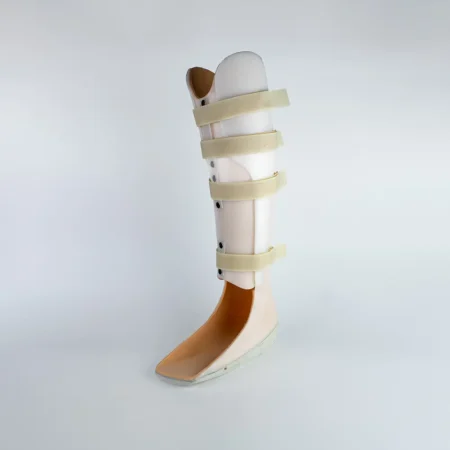
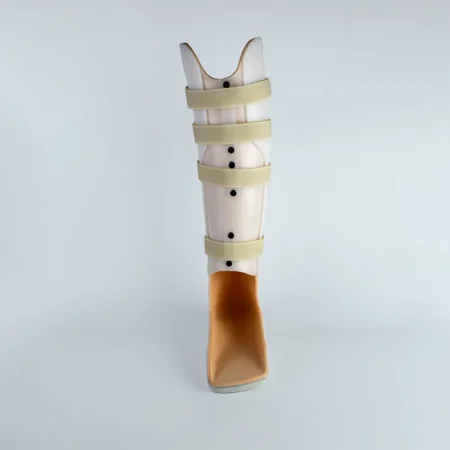
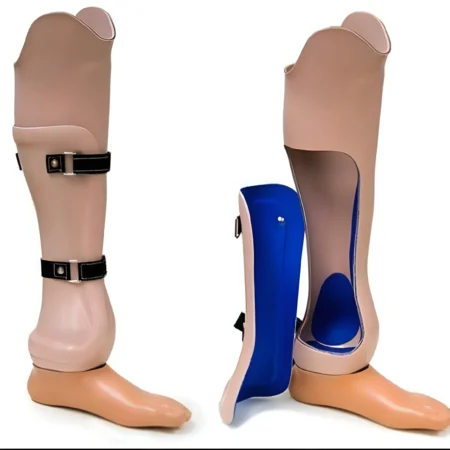
PTB orthosis redirects body weight from the foot and ankle to the patellar tendon area, reducing stress on lower limb joints and aiding rehabilitation.
-
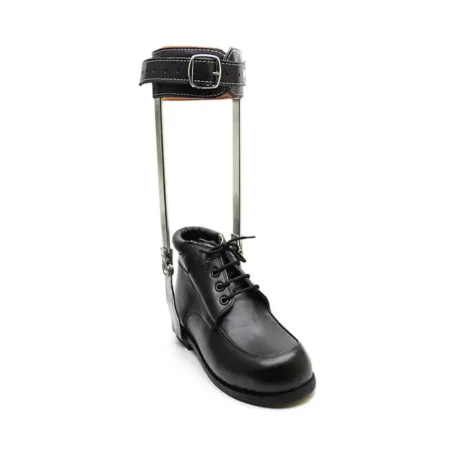
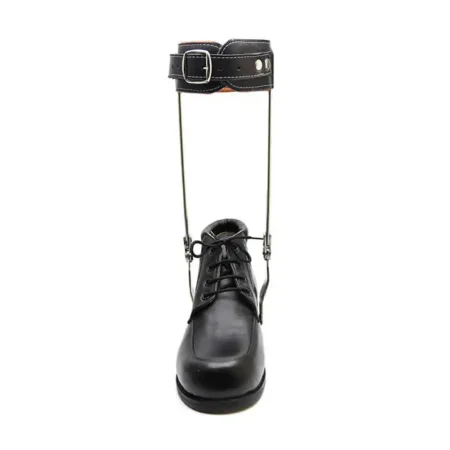
Strong and durable ankle-foot support
-
Adjustable and long-lasting design
-
Suitable for foot drop and weakness
-
Preferred by patients needing external support

A dynamic orthosis designed for the treatment of developmental hip dysplasia in infants. It promotes healthy hip joint maturation by holding the hips in the optimal therapeutic position of flexion and abduction, often referred to as the “seated squat” or “frog-leg” position. This mimics the natural pre-birth position, creating the ideal conditions for the hip socket (acetabulum) to develop correctly around the head of the femur.


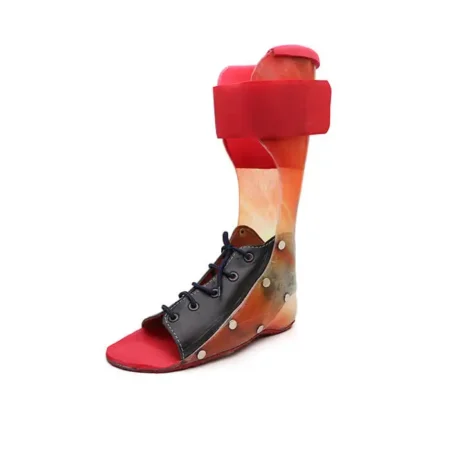
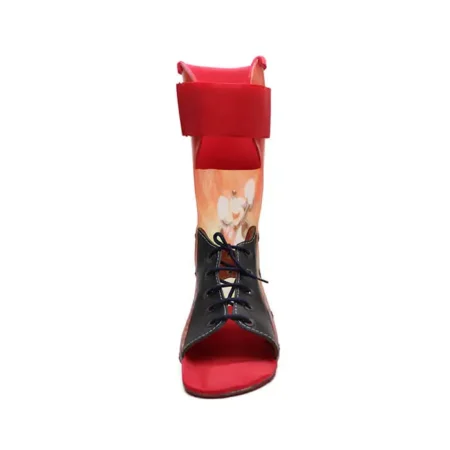
- An articulating ankle-foot orthosis (AFO) featuring a mechanical ankle joint to allow for controlled movement. It is designed to assist with dorsiflexion weakness (drop foot) and control mid-foot position, while also managing knee hyperextension caused by excessive plantarflexion.
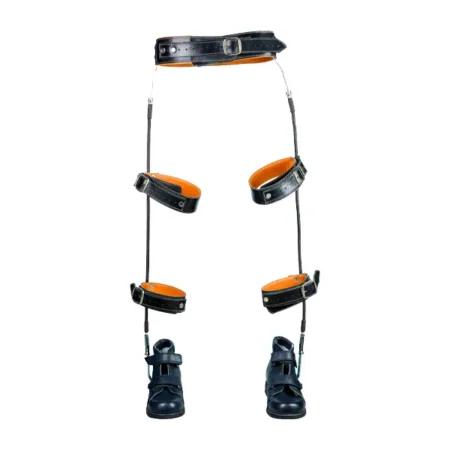
- A specialized orthosis designed to manage femoral rotational deformities, such as in-toeing or out-toeing. It consists of a pelvic belt connected to an ankle attachment via a flexible torsion cable, which applies a gentle, corrective force to control rotation of the femur during movement. This system helps guide the entire limb into a more neutral alignment throughout the gait cycle.
Reviews
There are no reviews yet.