 English


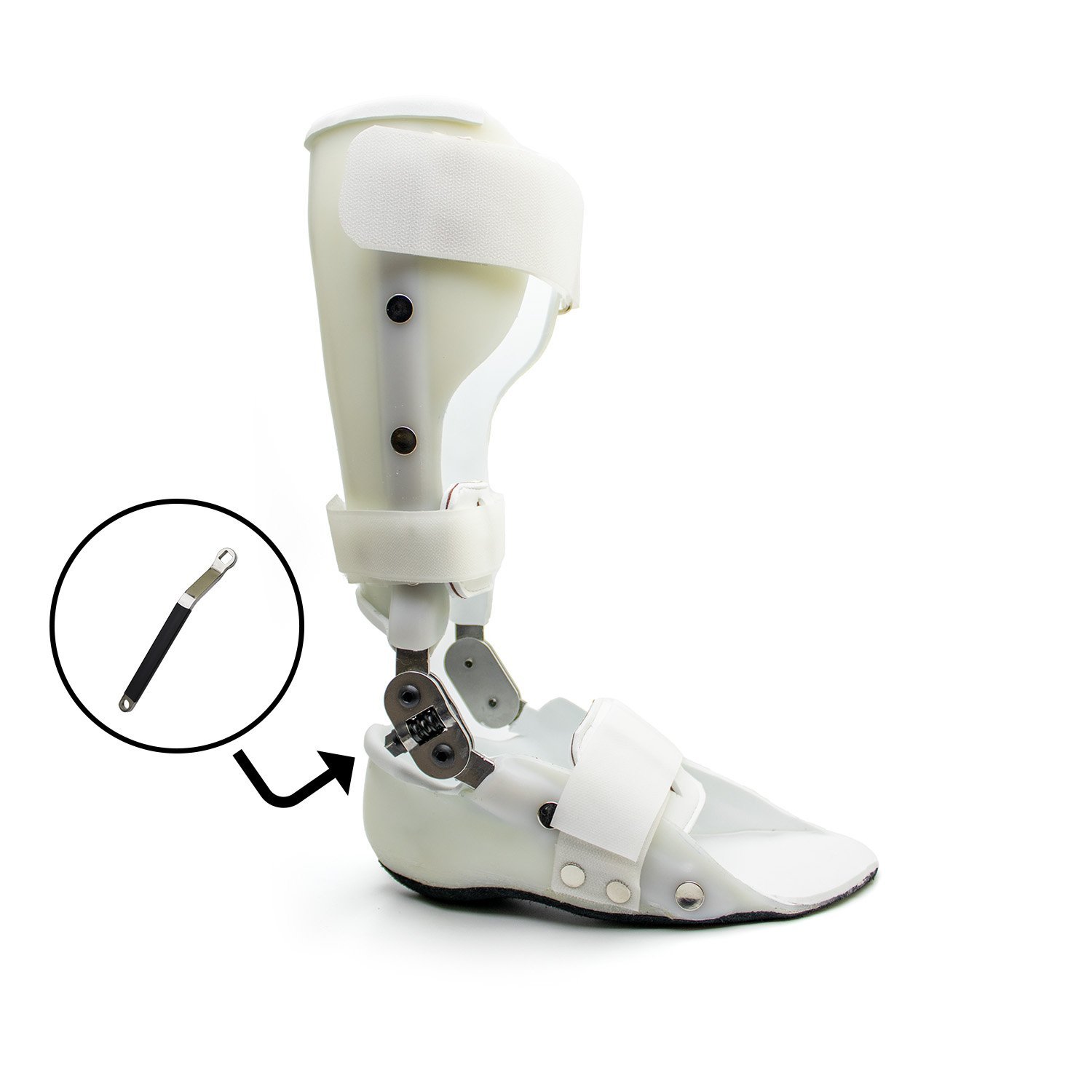
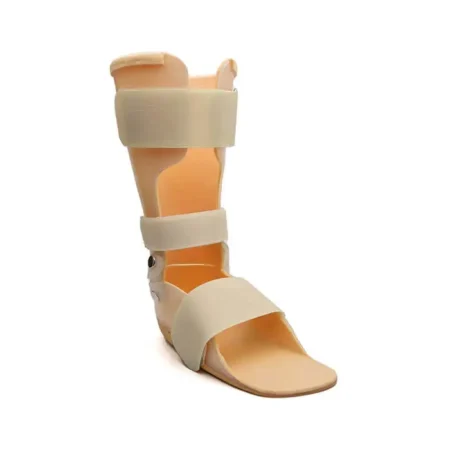
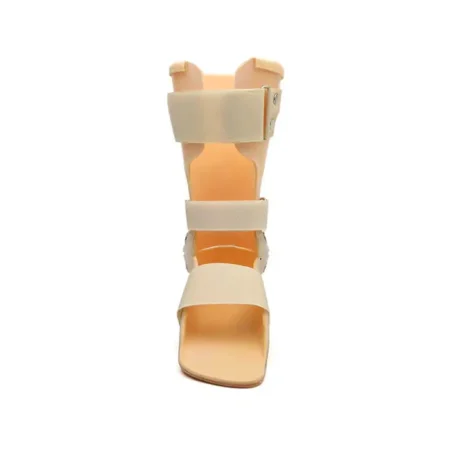
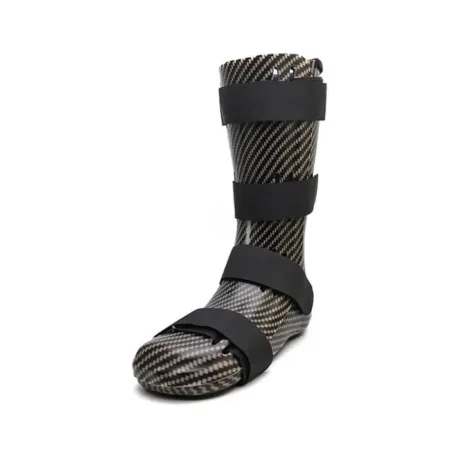
This orthosis is used to manage and correct ankle contractures. It comes with optional shoe attachments, joints, uprights, and straps to fit the patient’s needs. The device helps maintain ankle position and prevent joint stiffness or deformity, especially in non-ambulatory patients.
Ankle Contracture Orthosis
Properties:
- Provides controlled ankle support to prevent and correct contractures.
- Adjustable straps for a secure, customizable fit.
- Lightweight, durable materials (TPU or carbon fiber) for comfort and strength.
- Joint mechanism allows adjustable range of motion.
- Padded lining for pressure relief and long-term wear comfort.
- Ventilated design to keep skin dry and reduce irritation.
- Rigid foot plate for proper alignment and gait stability.
Specifications:
- Material: Thermoplastic polyurethane or carbon fiber composite
- Sizes: S, M, L, XL or (Custom-made)
- Weight: Lightweight for ease of use and mobility
Indications:
- Prevention and correction of ankle joint stiffness or contractures.
- Post-injury or post-surgical rehabilitation.
- Management of neurological or muscular conditions affecting ankle mobility.
- Gait improvement and stabilization in patients with muscle weakness or imbalance.
... people are viewing this right now
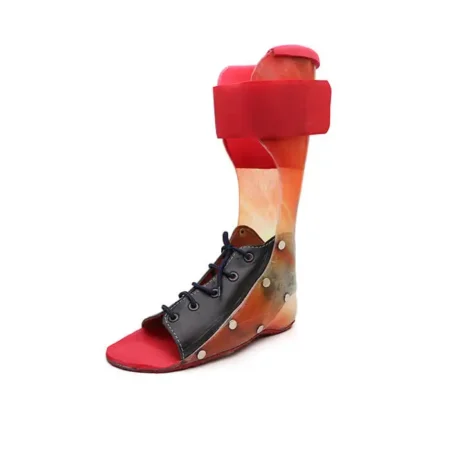
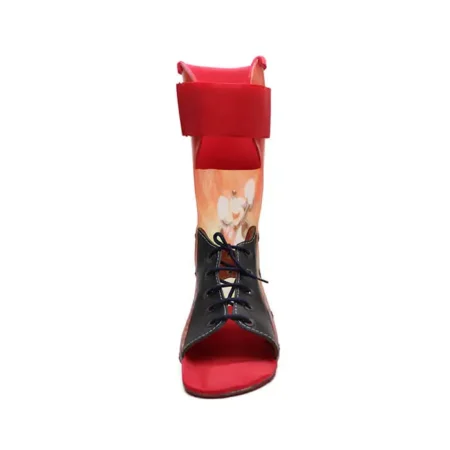
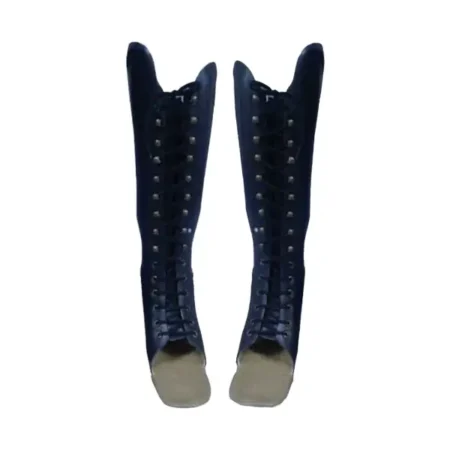
The Extended Defort AFO uses the same design as the standard model for the distal part of the orthosis. However, it features a polymeric extension that extends proximally up the calf. This model provides additional leverage length and control for those with maximum stabilization and control needs.
This design, which is effective in reducing pressure points that cause disruption to skin integrity, enhances patient comfort.
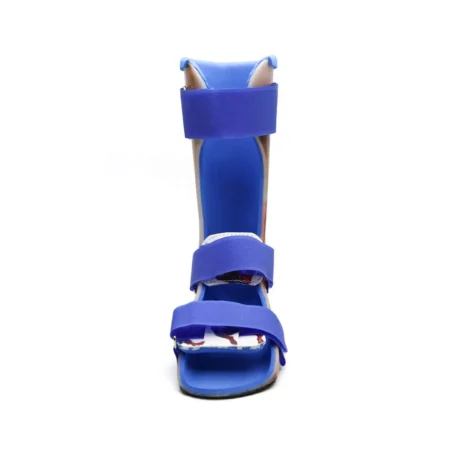
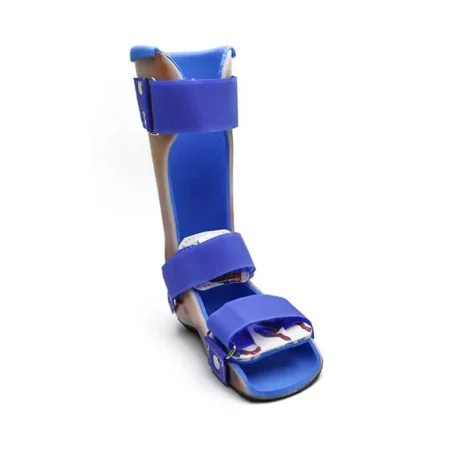
Ideal for lower limb weakness or paralysis. Stabilizes the knee, supports the ankle, and improves balance.
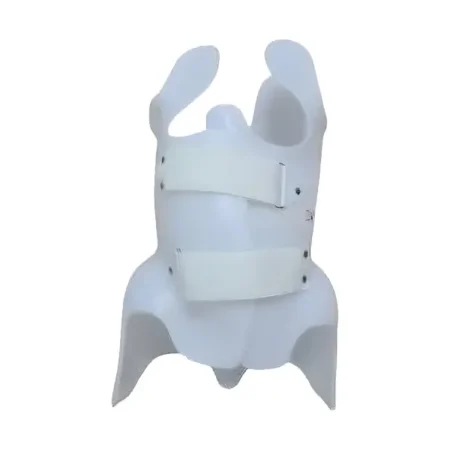
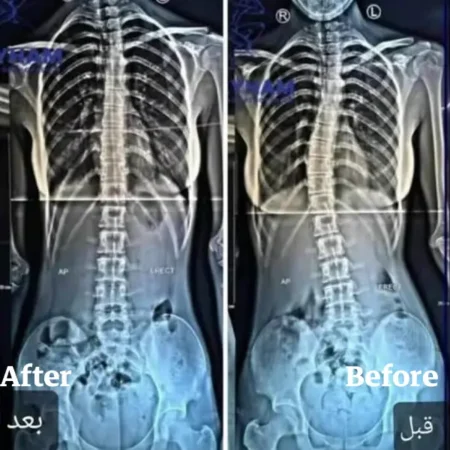
The Boston Brace is a custom-made orthosis designed to treat scoliosis without surgery. It is the most widely used scoliosis brace worldwide. This brace works by holding the spine in a corrected position and is most effective when used with physical therapy. It is clinically proven to slow or stop curve progression.
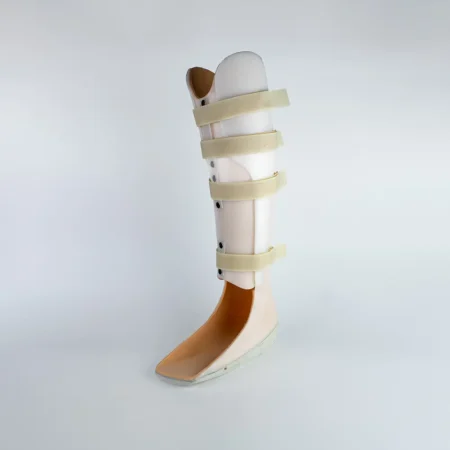
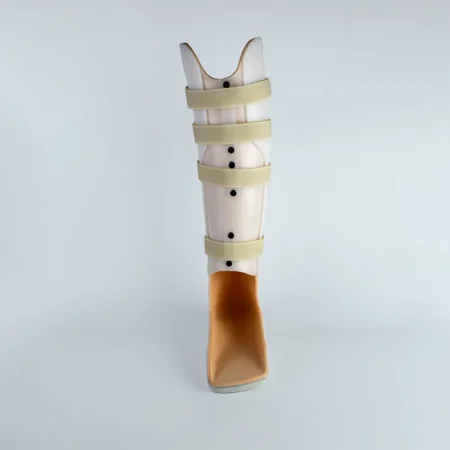
PTB orthosis redirects body weight from the foot and ankle to the patellar tendon area, reducing stress on lower limb joints and aiding rehabilitation.
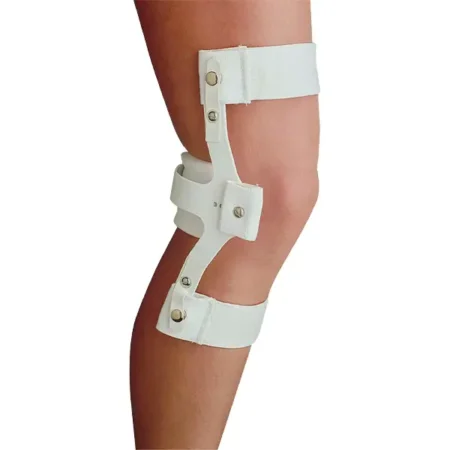
- A rigid knee orthosis designed to control mild knee hyperextension (genu recurvatum). It operates on a three-point pressure system, utilizing two anterior straps and a single posterior band to effectively limit excessive backward movement of the knee joint.
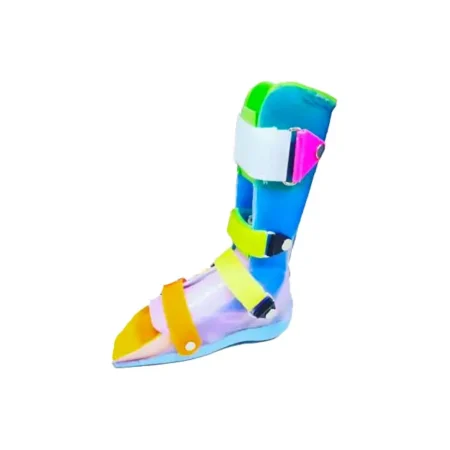
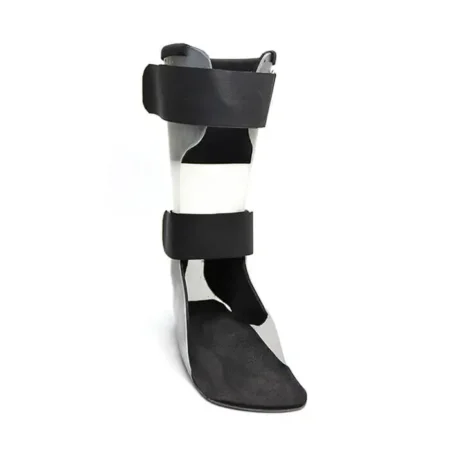
A rigid, non-articulating Ankle-Foot Orthosis (AFO) designed for static positioning of the foot and ankle complex. It provides maximum sagittal control to hold the ankle at a desired angle, making it ideal for non-ambulatory patients or for post-operative protection. This orthosis is not intended for walking.
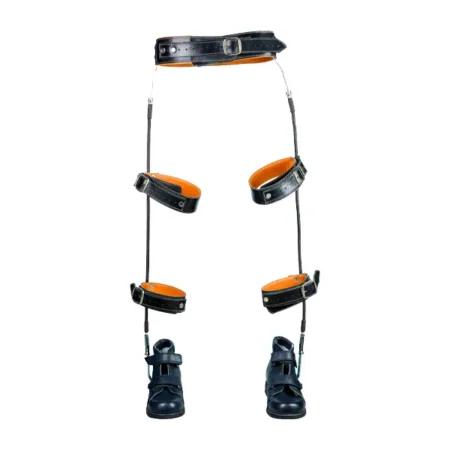
- A specialized orthosis designed to manage femoral rotational deformities, such as in-toeing or out-toeing. It consists of a pelvic belt connected to an ankle attachment via a flexible torsion cable, which applies a gentle, corrective force to control rotation of the femur during movement. This system helps guide the entire limb into a more neutral alignment throughout the gait cycle.

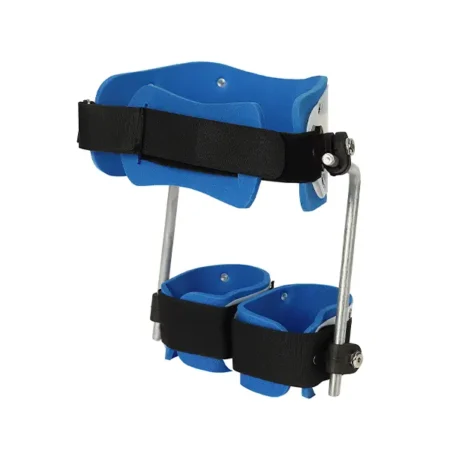
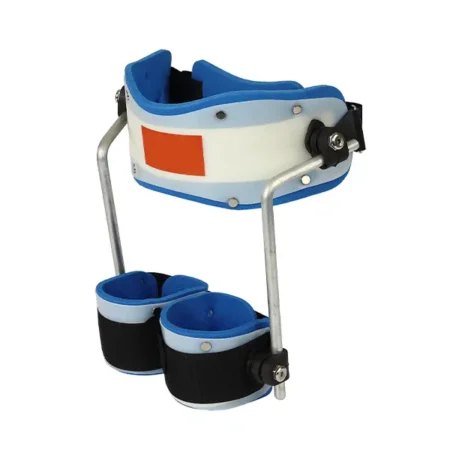
- A dynamic hip orthosis designed to manage “scissor gait” by guiding the legs into proper abduction. It improves pelvic stability and posture, providing crucial support during sitting, standing, and walking. Its low-profile design makes it especially suitable for patients with limited space between the iliac crest and the rib cage.

Reviews
There are no reviews yet.